



Lithium-Ion Battery Fire Safety at Sea: Why Cruise Ships and Ferries Are Adding Dedicated Containment Solutions
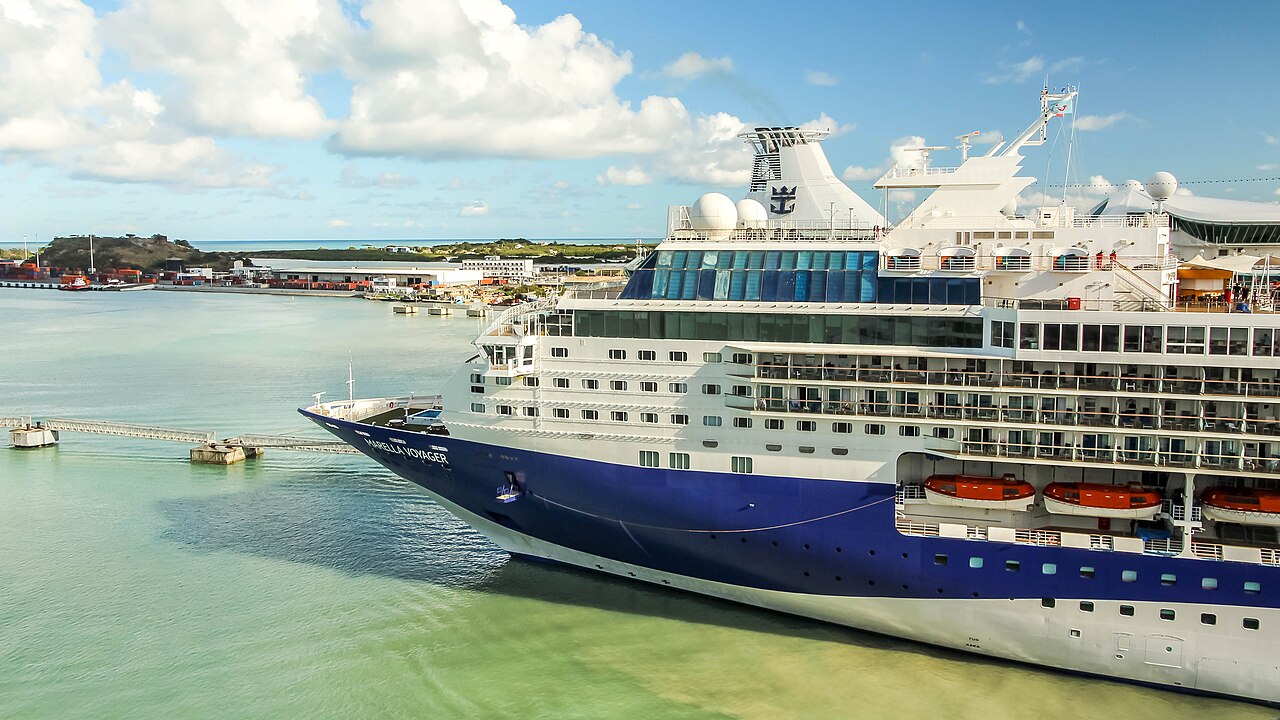
The maritime industry is rapidly embracing electrification. From electric bicycles used by crew members to power banks, laptops, radios, handheld devices, and passenger mobility equipment, lithium-ion batteries have become a fundamental part of everyday operations aboard cruise ships and ferries.
While these technologies offer clear operational advantages and support greener travel initiatives, they also introduce unprecedented fire hazards that differ significantly from conventional onboard risks. The unique nature of a lithium-ion battery fire means that standard maritime firefighting protocols are no longer sufficient on their own.
Unlike traditional Class A or Class B fires, a compromised lithium-ion battery can enter thermal runaway. This is a violent, self-sustaining chemical reaction that produces extreme temperatures, rapidly spreading flames, explosive vapor clouds, and toxic combustion gases. A defining and highly dangerous characteristic of these events is the high risk of repeated reignition, even hours after the initial flames appear to be extinguished. In the confined and isolated environment of a vessel at sea, where evacuation options are severely limited and external assistance may be hours away, early isolation and containment are essential to protecting the ship, its crew, and its passengers.
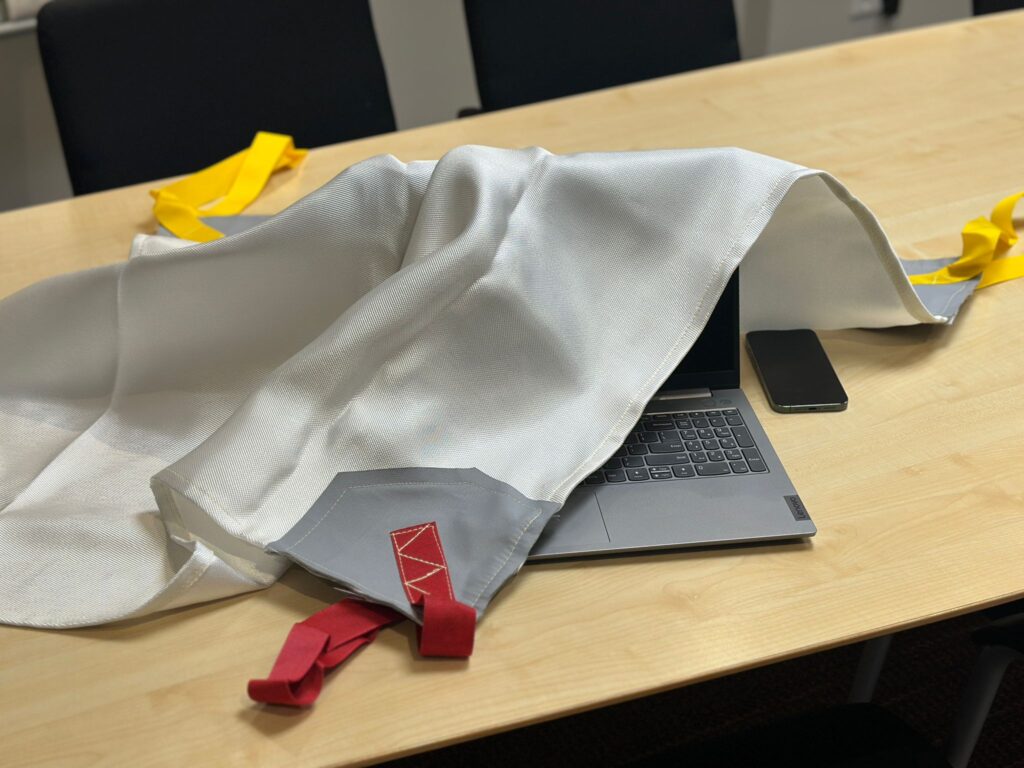
As a result, an increasing number of cruise operators and ferry companies are thoroughly reviewing their onboard emergency procedures for lithium-ion battery incidents and introducing dedicated physical containment solutions as a critical, additional layer of protection.
A Growing Focus on Light Electric Vehicles (LEVs) & Passenger Electronics
One specific area receiving urgent attention from maritime safety officers and surveyors is the storage and charging of Light Electric Vehicles (LEVs) and high-risk personal mobility devices. This risk profile has escalated due to the massive volume of consumer-grade electronics brought on board daily. Managing unattended charging in confined passenger cabins or shared crew quarters represents a significant pain point for ship security.
Particular focus is being placed on the following equipment:
- Electric mobility scooters and electric wheelchairs: These accessibility devices are vital for passengers but are frequently charged inside staterooms or stored in narrow corridors, blocking vital escape routes if an incident occurs.
- E-scooters and hoverboards: Recreational personal mobility devices that are increasingly facing strict cruise line banned battery item policies due to manufacturing variations and uncertified aftermarket chargers.
- Electric bicycles (eBikes): Widely utilized by port-heavy travelers, shore excursion teams, and crew members, requiring dedicated onboard charging and storage areas.
- High-density consumer electronics: Items such as high-capacity power vapes, tablets, and lithium power banks left charging unattended on stateroom bedding or near combustible materials.
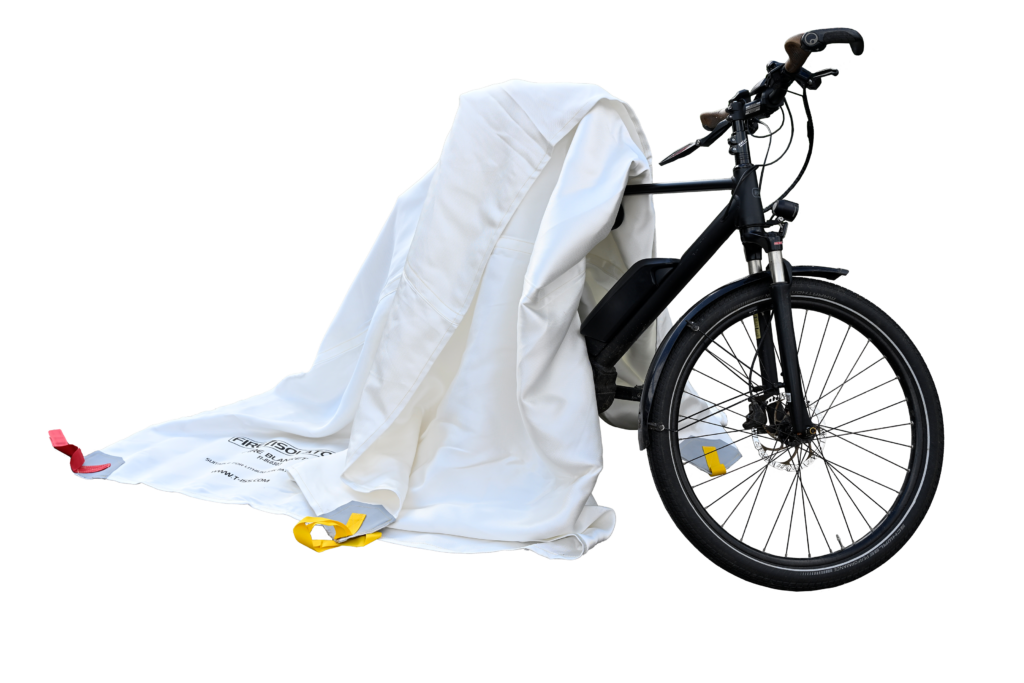
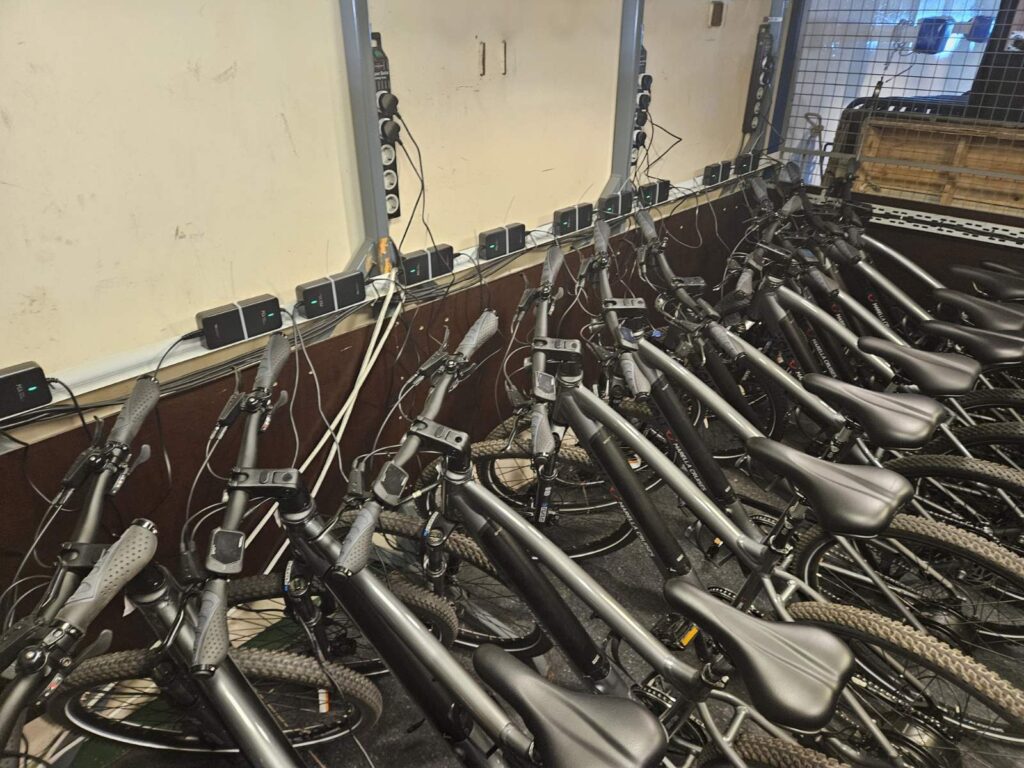
Although dedicated shipboard charging stations and ro-ro spaces are generally well-managed, a thermal runaway event involving a single battery can quickly threaten neighboring batteries and nearby cabin structures, allowing the incident to escalate rapidly. Because these self-oxygenating battery fires cannot be easily choked out by traditional marine gas or foam suppression systems, ship operators are pivoting toward deployment-ready containment tools to isolate the threat exactly where it happens.
Proactive Mitigation: The Critical Need for Onboard Isolation
To effectively bridge the gap between initial detection and complete suppression, passenger vessels require specialized equipment that can withstand the intense, localized energy of a lithium-ion fire. Deploying a professional containment solution allows crew members to immediately isolate a smoking or burning device, trapping toxic off-gases, stopping the projection of dangerous shrapnel, and preventing the lateral spread of heat to adjacent areas.
Integrating these dedicated containment measures into standard operating procedures ensures that ship owners can confidently protect their assets, maintain regulatory compliance with evolving maritime safety frameworks, and most importantly safeguard the lives of everyone on board.
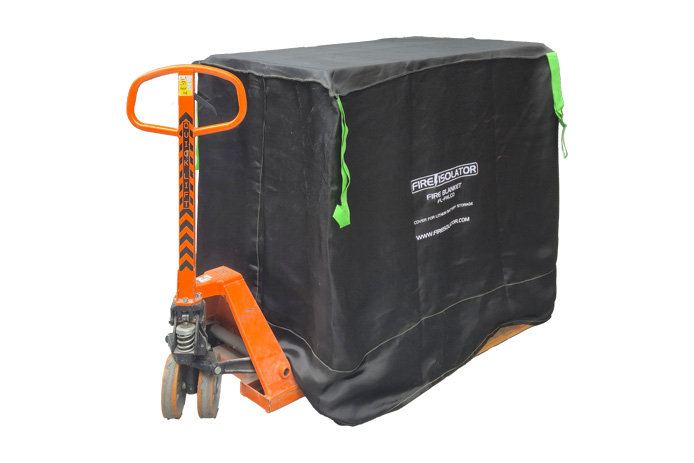
Protect Your Vessel Against Lithium-Ion Risks
Are your crew members equipped to handle a sudden thermal runaway event in a passenger cabin or vehicle deck? Leaving safety to chance is not an option when external assistance is hours away.
[Contact our maritime safety experts today] to learn more about our certified, high-temperature lithium-ion battery containment solutions and discover how we can help you integrate an unyielding layer of protection into your vessel’s emergency protocols.